Move Better This Spring: Reduce Soreness and Recover Faster
May 27, 2026
As we hit the height of spring, many people feel a natural urge to become more active again.
The weather improves. Days get longer. Energy starts to return. And after months of winter routines, inactivity, stress, or simply feeling worn down, many people naturally want to move more and feel better again. Does that sound familiar?
But as you do, there’s something important you may notice at the same time:
Your body doesn’t always respond the way it used to.
- Soreness lasts longer after that first round of golf.
- Stiffness lingers the day after a long river valley hike.
- Energy feels inconsistent as you try to progress through new activities this spring.
- Recovery takes more time because you are not yet used to these new demands.
- Even small physical demands like some yard work or gardening can leave you feeling sore and depleted.
And when that happens, it affects far more than just the body.
When Pain and Fatigue Start Affecting Daily Life
Most people think of recovery as purely physical. But recovery affects nearly every area of life.
When discomfort, inflammation, stiffness, or fatigue build up over time, people often begin moving less without fully realizing it. Activity decreases. Energy drops. Motivation fades.
And eventually, that physical strain starts affecting:
- focus at work
- patience in conversations
- mental clarity
- mood and outlook
- decision-making
- relationships
- confidence
- overall quality of life
Sometimes what feels like a motivation problem is actually a recovery problem. Sometimes what feels like burnout is partly physical depletion. And sometimes the issue is not that someone lacks discipline or ambition. They simply haven’t restored the capacity they’ve been draining for too long, or pushed too hard too quickly.
Why Recovery Gets Harder With Age
One of the most frustrating parts of getting older for many active adults is not necessarily the activity itself.
It’s the recovery afterward.
Things that once felt easy such as a long walk, a weekend tournament, yard work, a hard workout, even a busy week at work, can suddenly leave you feeling sore, stiff, tired, or slower to bounce back.
Part of that is simply life adding up.
- Stress accumulates.
- Sleep quality changes.
- Movement often decreases during winter months.
- Mobility tightens when we spend more time sitting and less time moving consistently.
And as we age, the body simply does not recover as quickly from inflammation, physical strain, or overuse as it once did.
That does not mean people are weak or “getting old.” It means recovery becomes more important.
Many people also fall into what I call the “weekend warrior” cycle: long periods of sitting or inactivity followed by sudden bursts of intense activity once the weather improves.
A round of golf. A big hike. Several hours of gardening. A return to the gym after months away.
The body often responds with stiffness, soreness, fatigue, or even minor injuries because the demand increased faster than recovery capacity could keep up.
And it’s not only physical.
When the nervous system stays overloaded from stress, poor sleep, constant busyness, or lack of recovery, the body often stays in a more inflamed and fatigued state overall. That can affect energy, focus, mood, patience, and motivation just as much as muscles and joints.
The good news is this: small improvements in recovery often create meaningful improvements in how people feel, move, and function day to day.
That’s why recovery matters so much, especially for people who want to stay active, capable, and engaged as they age.
5 Simple Ways To Move Better This Spring
1. Ease Back Into Activity Gradually
One of the biggest mistakes people make each spring is jumping too quickly into activity after a less active winter. Whether it’s golf, hiking, yard work, biking, or returning to the gym, doing too much too soon often leads to unnecessary soreness and fatigue.
Your body responds best when activity increases gradually instead of all at once.
2. Move Consistently, Not Occasionally
Gentle consistency is usually far more effective than occasional bursts of intense activity.
Even regular walking, mobility work, stretching, or light exercise helps the body stay looser, more mobile, and better prepared for physical demands. Consistent movement also helps reduce stiffness and improves circulation, energy, and recovery over time.
3. Prioritize Recovery, Not Just Activity
Most people focus on the activity itself but underestimate the importance of recovery afterward.
Sleep, hydration, mobility work, stretching, stress management, nutrition, and proper recovery support all play an important role in how well the body repairs and restores itself. Recovery is not separate from performance; it supports it.
4. Reduce Inflammation Before It Slows You Down
Ongoing inflammation and physical tension often build slowly over time. People may not notice the impact right away, but eventually it begins affecting movement, energy, motivation, and even mood.
Addressing soreness and inflammation earlier often helps people stay active more consistently instead of waiting until discomfort becomes limiting.
5. Support Faster Recovery Before Soreness Compounds
Recovery support matters because soreness and inflammation often change behavior long before people realize it. When recovery improves, it becomes easier to stay active consistently instead of cycling between overdoing it and needing days to recover.
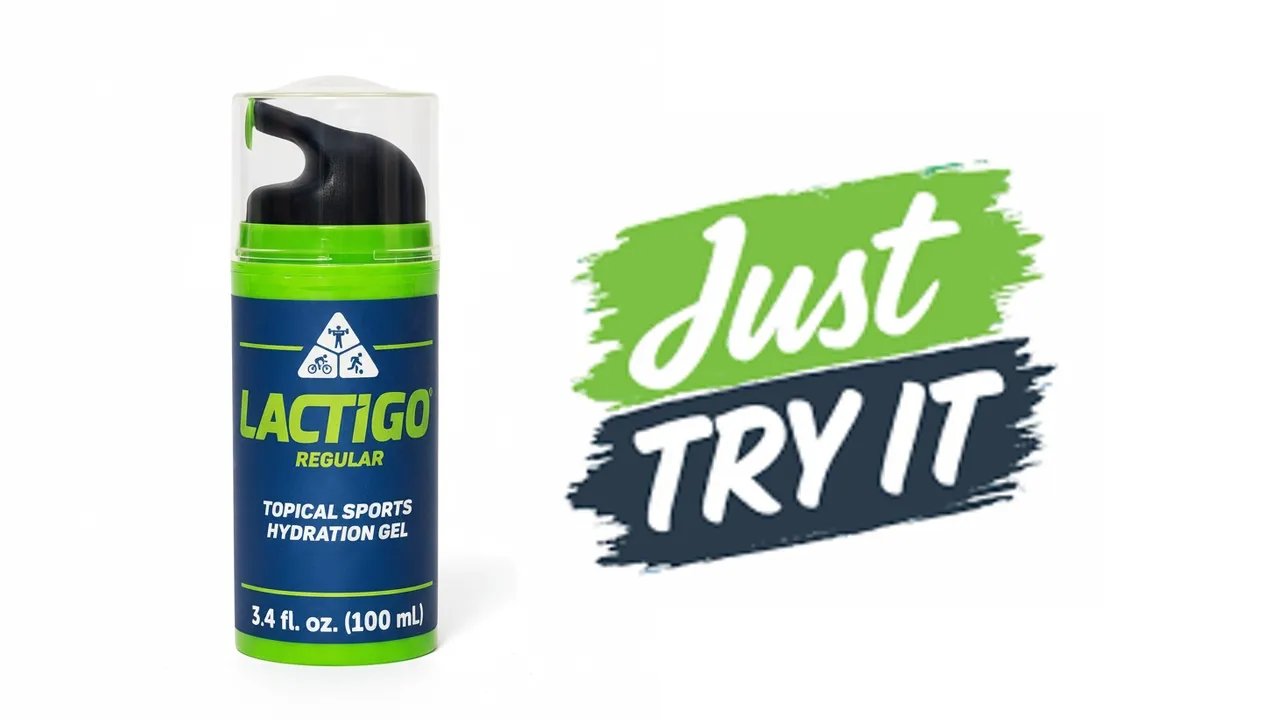
This is one reason many people are exploring recovery-focused support like LactiGo as part of staying active, mobile, and energized as they age. Learn more about how LactiGo supports recovery, movement, and active living.
When You Feel Better, Life Opens Up Again
When soreness decreases and energy improves, most people naturally begin doing more of the things they enjoy again like being active, reconnecting socially, focusing better at work, and feeling more like themselves.
That’s why physical recovery matters more than many people realize.
At One Wave Life, we often see recovery become the first step toward broader positive change in health, energy, mindset, and daily life. If you enjoyed this article, you may also appreciate: Restore First: Why Energy Matters More Than Optimization.
And for those looking to improve not only physical recovery, but also clarity, health habits, and intentional living overall, The Lifeline explores the deeper rhythms that help people thrive long term.
Until next time...
Be healthy. Be happy. Live intentionally.
— Brent